
A broken tooth can be worrying — you may be concerned about pain, appearance or long‑term damage. Whether a fracture can be saved depends on how much tooth structure remains and whether the pulp (nerve) is involved. Prompt, professional assessment is the best way to know your options.
This article explains common causes of tooth fractures, how dentists evaluate the damage using clinical exams and digital imaging, typical treatment choices and clear guidance on when to seek urgent care. This information is educational and not a substitute for an individual dental assessment.
Why teeth break
Teeth can fracture for many reasons. Some breaks happen from a single obvious event such as a fall or sports injury; others result from long‑term wear, large existing restorations or weakened tooth structure.
Understanding the likely cause helps your dentist recommend the most appropriate repair while reducing future risk.
- Trauma (falls, collisions, sports injuries)
- Biting hard objects or foods
- Large existing fillings that weaken remaining tooth
- Tooth decay that undermines strength
- Bruxism (chronic grinding or clenching)
How a dentist evaluates a broken tooth
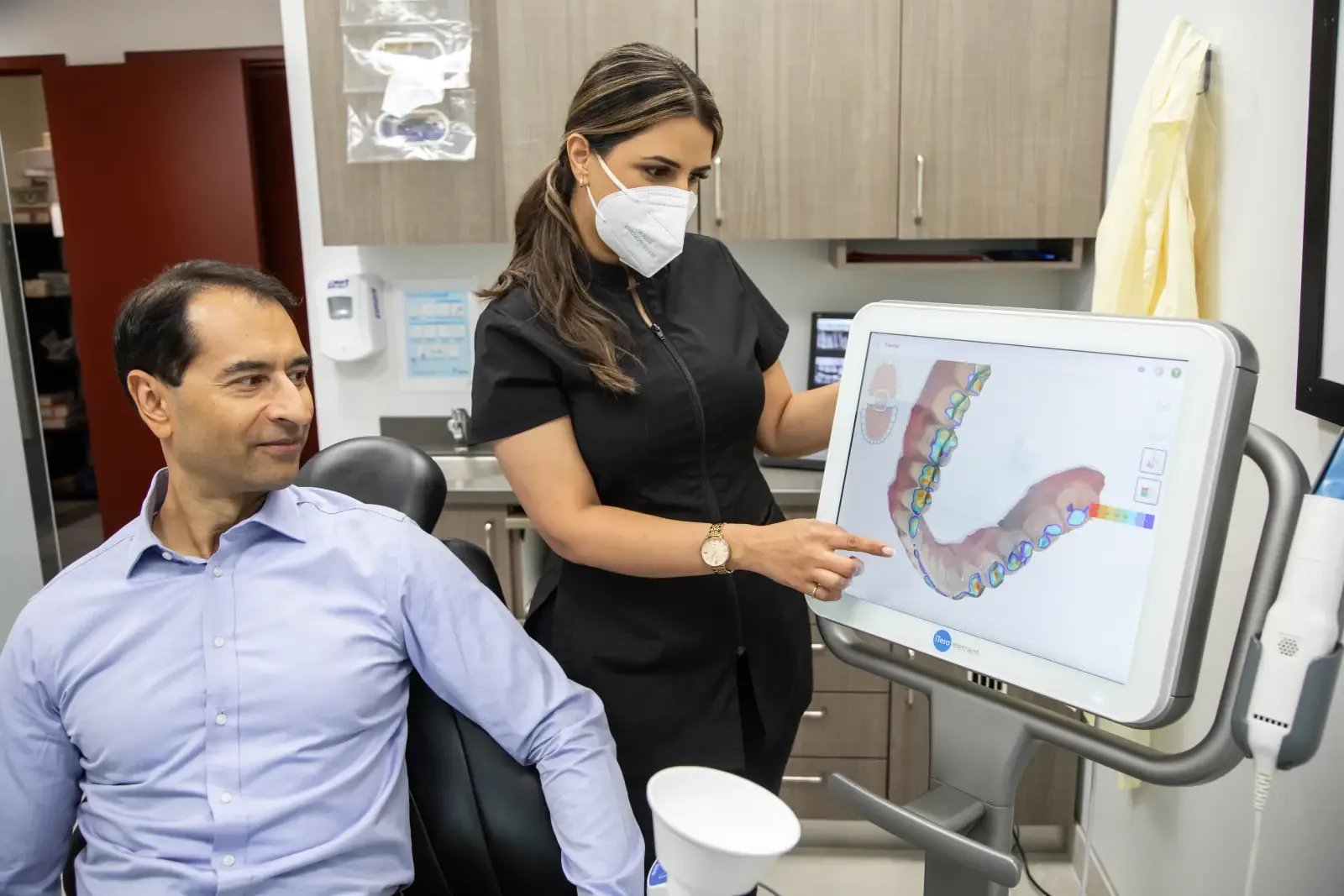
A dentist will perform a focused oral exam and may use digital X‑rays to check the extent of the fracture and whether the root or pulp is affected. At Belman Dental Centre we use digital X‑rays and the iTero Element 3D scanner when appropriate to aid assessment and treatment planning.
Assessment often includes checking for mobility, nerve sensitivity and whether surrounding teeth or restorations were damaged. The clinical findings determine whether conservative repair is possible or whether more extensive care is needed.
- Visual inspection and bite assessment
- Digital X‑rays to view root and bone
- 3D scanning for complex cases or treatment planning
- Pulp testing to assess nerve involvement
Treatment options — from repair to replacement
If the fracture is minor and the nerve is healthy, conservative options like smoothing, cosmetic bonding or a new filling may restore form and function. For larger breaks, a crown often protects the remaining tooth. If the pulp is infected or irreversibly damaged, root canal therapy followed by a crown may be recommended.
When a tooth cannot be saved, extraction and replacement with a bridge, denture or dental implant are possible choices. Belman Dental Centre provides restorative care including fillings, crowns, bridges, implant placement and restoration; your dentist will explain advantages, limitations and timelines based on your clinical assessment.
- Smoothing and cosmetic bonding for small chips
- Composite fillings for moderate fractures
- Crowns to protect and restore larger breaks
- Root canal therapy when the nerve is affected, followed by a crown
- Extraction with replacement options: bridge, denture or implant
When to seek urgent care
Seek immediate emergency care if you have severe uncontrolled bleeding, trouble breathing or major facial trauma — call 911 or go to an emergency department. For severe pain, a tooth that is loose or visibly displaced, or a large fragment you cannot manage at home, contact a dentist promptly for assessment.
Belman Dental Centre offers emergency dental care and can advise whether an in‑office visit is needed. Remember that only an examination and imaging can determine whether a broken tooth can be saved.
- Call 911 for breathing difficulty, uncontrolled bleeding or serious facial injury
- Seek urgent dental attention for severe pain, loose or displaced teeth
- Bring any broken tooth fragments in a clean container if possible
- Avoid attempting major home repairs — stabilise with clean gauze and see a dentist
Good to Know
Questions About This Topic
Can a chipped front tooth be fixed without a crown?
Small chips are often repaired with cosmetic bonding or a new composite filling. Whether a crown is needed depends on the size of the break and the strength of the remaining tooth, which a dentist determines during an exam.
Will I always need a root canal after a tooth breaks?
Not always. Root canal therapy is recommended when the pulp is irreversibly damaged or infected. Your dentist will assess sensitivity, X‑rays and other findings to decide if root canal treatment is necessary.
How quickly should I see a dentist after breaking a tooth?
See a dentist as soon as reasonably possible, especially for severe pain, a loose or displaced tooth, or if you can’t control bleeding. Prompt assessment helps increase the chances of saving the tooth; exact timing depends on clinical findings.
A broken tooth does not always mean permanent loss, but outcomes vary widely depending on the fracture’s extent and the tooth’s condition. This article is general information and not a diagnosis; only an individual dental assessment can identify appropriate next steps.
If you’re in Toronto and need an assessment, Dr. Noah Belman and the team at Belman Dental Centre can help. Our office at 1881 Yonge St., Suite 403 serves Davisville, Eglinton and Midtown Toronto — call 1-416-486-1136 to arrange an appointment or emergency consultation.
Educational note: This article provides general information and is not a diagnosis or a substitute for care from a dental professional who has examined you.