
1. Assessment
We begin with an oral exam and, if needed, digital X‑rays to evaluate the chewing surfaces. The dentist will explain whether sealants are suitable for the specific teeth and discuss alternatives.
Preventive Care
At Belman Dental Centre in Toronto, we use dental sealants to help protect grooves on back teeth from decay. Suitable for children and adults, sealants are applied quickly during a regular visit at our Davisville/Eglinton practice to reduce the risk of cavities between cleanings.
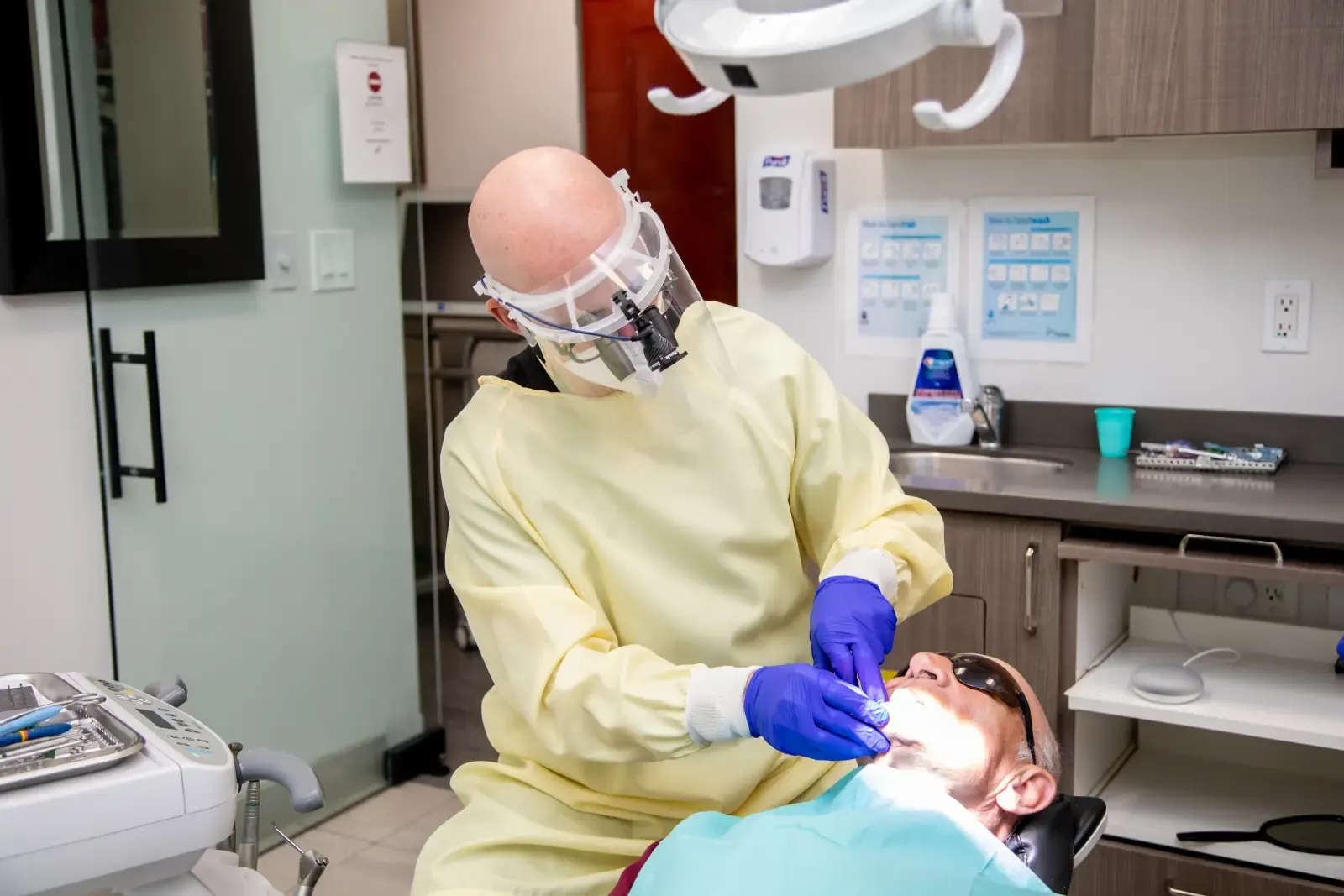
Dental sealants are a thin, clear or tooth‑coloured coating placed over the chewing surfaces of molars and premolars. The material flows into deep grooves and pits where a toothbrush can’t always reach, creating a smooth surface that’s easier to keep clean.
Application is non‑invasive: teeth are cleaned, dried and the sealant is painted on and cured. Sealants complement daily brushing, fluoride and regular cleanings but do not replace them.
Sealants provide an extra layer of protection against decay on the surfaces most prone to cavities. They can be applied quickly during a routine appointment with minimal discomfort and no drilling in most cases.
Because they act locally on grooves, sealants are an efficient preventive step that works alongside fluoride treatments and regular oral hygiene to help reduce the chance of requiring fillings.
At our office at 1881 Yonge St., Suite 403, Toronto, a general dentist places sealants after a focused oral exam. Dr. Noah Belman leads the practice and our team uses digital X‑rays and the iTero Element 3D scanner as needed to inform care. If we identify needs that require specialised treatment, we will discuss referral options.
Sealants are integrated into a preventive plan that includes cleanings, fluoride and oral hygiene coaching tailored to each patient. We discuss benefits, limitations and maintenance during the appointment so you can make an informed choice.
Personalized Care
A conversation and clinical assessment are the best way to understand your options. People often ask about dental sealants when they are experiencing one or more of the following situations.
What to Expect
We begin with an oral exam and, if needed, digital X‑rays to evaluate the chewing surfaces. The dentist will explain whether sealants are suitable for the specific teeth and discuss alternatives.
If sealants are appropriate, we review the procedure, expected benefits and how sealants fit into your overall preventive care. Special needs, age and tooth condition guide the plan.
The tooth is cleaned and dried, the sealant is applied to the grooves and cured with a special light. The process typically takes only a few minutes per tooth and causes minimal or no discomfort.
Sealants are checked at routine recalls. If wear or loss occurs, the dentist can repair or replace the sealant. Ongoing home care and periodic professional fluoride and cleaning remain important.
Planning Your Care
We provide personalized treatment plan and fee information for sealants after a clinical assessment because the number of teeth treated and any diagnostic imaging will affect the cost. fee information are shared before treatment so you can decide with full information.
Our team can help explain how proposed fees relate to your insurance benefits and discuss available financing options. Please contact the office for tailored treatment fee information and to review payment arrangements.
Good to Know
Yes. Sealants are an established preventive treatment used for decades. The materials are applied locally to tooth surfaces and are cured in the mouth. If you have concerns about allergies or sensitivities, let us know and the dentist will review options during the assessment.
Sealants can last several years but their lifespan varies by tooth, diet and oral habits. We check sealant condition at regular visits and can repair or replace them if they show wear or loss.
No. Placement is non‑invasive and usually causes little or no discomfort. There’s no drilling in most cases. If a tooth already has decay or requires restorative work, the dentist will discuss appropriate treatment options.
Adults can receive sealants if they have deep grooves or other surfaces at risk for decay. During your exam the dentist will determine whether sealants are a useful preventive measure for your teeth.
Care is the same as for natural teeth: brush twice daily, floss and attend regular cleanings. Sealants make grooves easier to clean, but they do not replace fluoride treatments or good oral hygiene.
Ready When You Are
To discuss whether sealants are right for you or your child, book an assessment at Belman Dental Centre in Toronto. Call 1-416-486-1136 or request an appointment online; recommendations and costs depend on an individual clinical assessment.