
1. Assessment
We begin with a focused oral exam, review of your health history and digital X‑rays. This determines whether the tooth can be saved or if extraction is the most appropriate option.
Extractions in Toronto
At Belman Dental Centre we prioritise saving natural teeth when possible, but there are times when extraction is the safest option for your long-term oral health. Our team at 1881 Yonge St. serves Davisville, Eglinton and Midtown Toronto with modern imaging and calming anaesthesia options.
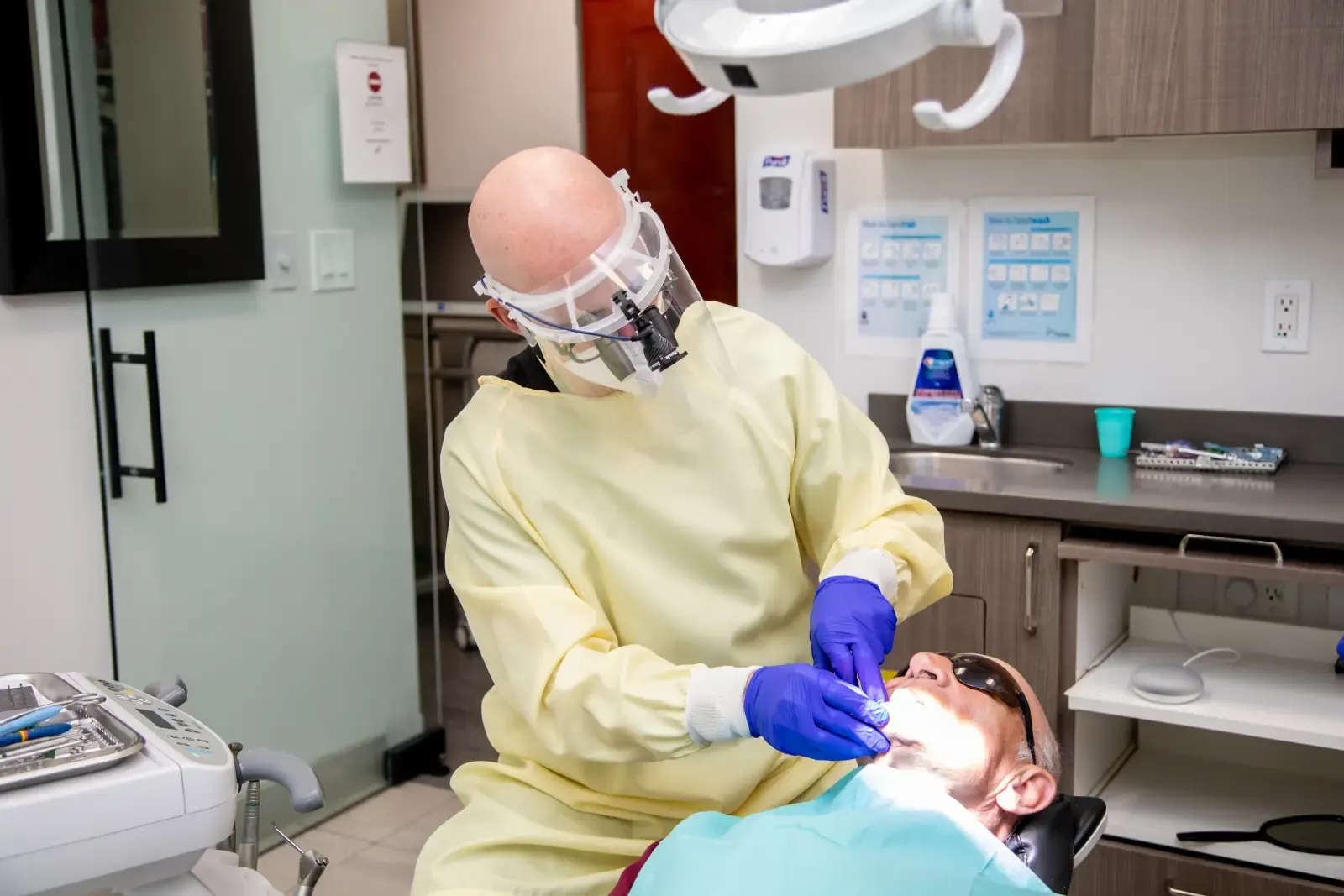
Extraction is considered after a careful assessment when other treatments cannot reliably restore the tooth or when removing a tooth protects surrounding teeth and tissues. Your dentist will review X‑rays taken with our digital system and explain why extraction may be the best step.
Common situations that lead to recommending an extraction include the items listed below. A clinical exam and imaging are required to determine whether extraction is appropriate.
Your dentist will review your medical and dental history, take digital X‑rays or a 3D scan when needed, and discuss anaesthesia choices. Local anaesthesia is standard so you should feel pressure but not pain; nitrous oxide and oral sedation are available if appropriate.
Simple extractions remove teeth visible in the mouth; surgical extractions address teeth that are impacted or require bone removal. If treatment is outside the scope of general practice, we will discuss referral to a specialist.
After the extraction you will receive written aftercare instructions to help control bleeding, manage discomfort and support healing. Expect some swelling and mild soreness for a few days; following care guidelines reduces the risk of complications.
Contact our office if you experience heavy bleeding, increasing pain after 48 hours, persistent swelling, fever or other concerning symptoms. Our team is available to advise and schedule follow-up at 1881 Yonge St., Suite 403.
Personalized Care
A conversation and clinical assessment are the best way to understand your options. People often ask about tooth extractions when they are experiencing one or more of the following situations.
What to Expect
We begin with a focused oral exam, review of your health history and digital X‑rays. This determines whether the tooth can be saved or if extraction is the most appropriate option.
Your dentist discusses the reasons for extraction, anaesthesia choices (local, nitrous oxide or oral sedation when appropriate), expected recovery and possible replacement options for a missing tooth.
On the day of treatment the area is anaesthetised and the tooth is removed using the technique suited to its condition. Surgical extractions are done when access or tooth position requires it; referral to a specialist will be discussed if needed.
You will receive aftercare instructions and a follow-up plan. If restorative replacement (bridge, denture, implant) is being considered, we will review timing and next steps based on healing and your goals.
Planning Your Care
The fee for an extraction depends on its complexity and whether additional procedures (for example bone grafting or a referral) are needed. We provide written treatment and fee details after an assessment so you know what to expect.
Our team can outline potential insurance coverage and available financing options and will direct you to resources for treatment fee information. Final recommendations, timelines and fees depend on an individual clinical assessment.
Good to Know
Local anaesthesia is used to numb the area so you should not feel pain during the procedure. You may notice pressure. After the anaesthetic wears off some discomfort is normal; we will provide pain‑management instructions and options such as nitrous oxide or oral sedation when appropriate.
Initial healing usually occurs over 1–2 weeks, with most day‑to‑day discomfort improving in the first few days. Complete bone healing takes longer. Recovery varies with the complexity of the extraction and your general health; follow-up instructions help reduce complications.
We assess wisdom teeth with digital X‑rays and recommend removal when they cause pain, infection, or threaten adjacent teeth. Simple wisdom‑tooth removals can often be performed here; if a case requires specialist care we will discuss referral options.
Replacement options include bridges, dentures and dental implants, but timing depends on the extraction site and healing. Your dentist will explain suitable timelines and restorative choices after healing and based on your overall treatment plan.
Extractions are provided by our general dentist at the Toronto practice. When a case exceeds general‑practice scope—such as complex surgical removal or advanced medical considerations—we will recommend or arrange referral to an appropriate specialist.
Ready When You Are
Call 1-416-486-1136 or request an appointment to arrange a consultation at Belman Dental Centre, 1881 Yonge St., Suite 403. Recommendations and timing depend on an individual clinical assessment.