Protecting your tooth

Root Canal Treatment in Toronto

When a tooth’s inner tissue becomes infected or inflamed, a root canal removes the affected pulp and preserves the tooth structure. At Belman Dental Centre in Toronto, we use modern anaesthesia and digital tools to make treatment comfortable and predictable for patients from Davisville, Eglinton and Midtown.

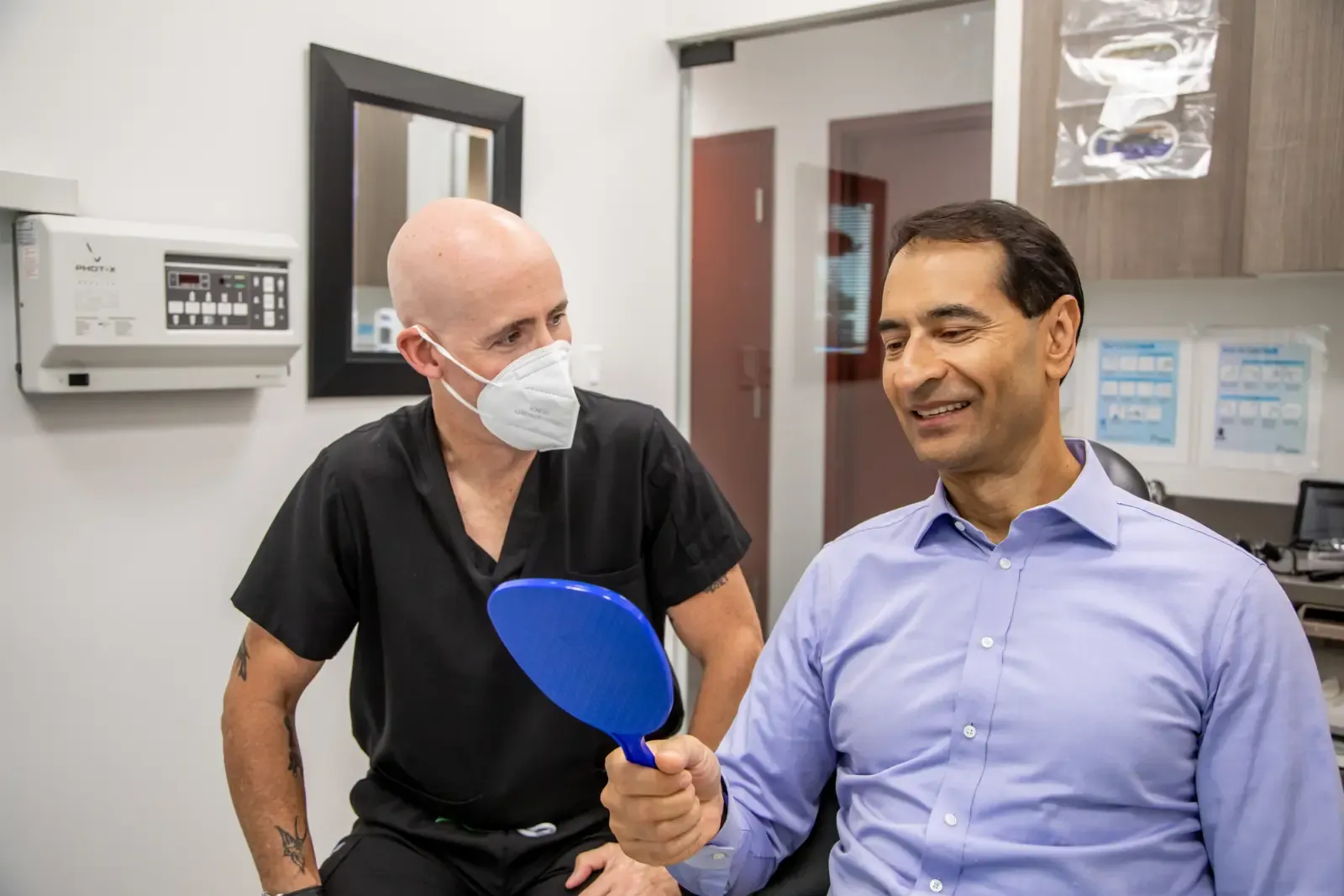
Dr. Noah Belman discussing a personalized treatment plan with a patient
5.0 215+ Google reviews

Why preserve a natural tooth?

Keeping your natural tooth when possible helps maintain chewing function, supports surrounding teeth and keeps your bite stable. A successfully treated tooth can often be restored with a crown or filling to protect it for years.

At Belman Dental Centre we combine clinical assessment with verified technology—digital X-rays and the iTero Element 3D scanner—to plan conservative care. Treatment is provided by our general dentist; we will refer to a specialist if a case is unusually complex.

  • Maintain chewing and bite stability
  • Protect adjacent teeth from extra strain
  • Avoid extraction when a conservative option exists
  • Restore strength with a crown or filling

What the treatment involves

Root canal treatment begins with local anaesthesia so the area is numb. The dentist opens the tooth, removes the inflamed or infected pulp, cleans and shapes the root canals, then fills and seals them. Sedation options available at the practice include nitrous oxide and oral sedation for patients who need extra support.

Some cases are completed in a single visit; others require a follow-up. A crown is commonly recommended afterward to protect the remaining tooth structure. If your situation is better managed by an endodontist, we will discuss a referral.

  • Local anaesthesia for comfort
  • Access, clean and shape the canals
  • Fill and seal the tooth
  • Schedule final restoration (often a crown)

Aftercare and long-term protection

After the procedure you may have mild sensitivity for a few days. Follow the dentist’s instructions on pain control and avoid chewing on the treated tooth until the final restoration is placed. Regular check-ups and good oral hygiene help maintain the tooth long-term.

If swelling, severe pain or new symptoms occur after treatment, contact the office. Our team at Belman Dental Centre—located at 1881 Yonge St., Suite 403—can arrange follow-up care, and we’ll outline next steps and timelines based on your individual assessment.

  • Avoid hard or sticky foods until restored
  • Use prescribed or recommended pain relief as directed
  • Attend follow-up for the permanent restoration
  • Keep routine hygiene and recall appointments

Personalized Care

Could This Be Right for You?

A conversation and clinical assessment are the best way to understand your options. People often ask about root canal treatment when they are experiencing one or more of the following situations.

  • Persistent or severe toothache that doesn’t improve
  • Prolonged sensitivity to hot or cold foods or drinks
  • Swelling, tenderness or a recurring pimple on the gums near a tooth
  • Noticeable darkening or discolouration of a tooth
  • Large decay or a failing filling near the tooth’s centre
  • Recent trauma to a tooth followed by pain or sensitivity

What to Expect

Your Care, Step by Step

Assessment

We begin with a clinical exam and digital X-rays to evaluate the tooth and surrounding bone. The general dentist will review symptoms, explain options and determine whether root canal treatment is appropriate or if a referral to a specialist is recommended.

Treatment planning

If treatment is indicated, we discuss the steps, timing and whether sedation (nitrous oxide or oral sedation) is needed. We also explain the likely need for a crown or other restoration after the root canal.

Root canal procedure

With local anaesthesia, the dentist removes the affected pulp, cleans and shapes the canals, then fills and seals them. Cases are often completed in one to two appointments; appointment length depends on complexity.

Follow-up and restoration

A follow-up visit places a permanent filling or crown to protect the tooth. We schedule recall exams to monitor healing and make further recommendations based on clinical findings.

Planning Your Care

Fees and financial considerations

Every treatment plan is personalised; the final cost for root canal treatment depends on the tooth involved, complexity of the canals and whether additional restorations are needed. We review treatment fees after a clinical assessment and diagnostic imaging.

Our team can discuss insurance claim procedures and available financing options, and help produce written treatment and fee details you can share with your provider. For fee details, contact our front desk at 1-416-486-1136.

Good to Know

Root Canal Treatment FAQs

Will a root canal be painful?

Most patients report little discomfort during the procedure because the area is numb with local anaesthesia. Some soreness can occur for a few days afterwards. If anxiety is a concern, ask about nitrous oxide or oral sedation available at the practice.

How long does a root canal take?

Treatment time varies with the tooth and case complexity. Many root canals are completed in one appointment; others require a second visit. Appointments commonly last up to about 90 minutes depending on the situation.

Will I need a crown after the root canal?

A crown is frequently recommended to restore strength and function, especially on back teeth or teeth with significant damage. Your dentist will assess the tooth and explain restoration options and timing.

Can a general dentist perform root canals, or do I need a specialist?

General dentists provide the majority of root canal treatments and many cases are managed here at Belman Dental Centre. Dr. Noah Belman graduated from the University of Toronto Faculty of Dentistry and completed postgraduate training with the Misch Implant Institute, The Pankey Institute and Spear Education. If your case is complex, or if specialised care would offer a better outcome, we will recommend and arrange a referral to an endodontist.

What are the risks of delaying treatment?

Delaying assessment can allow symptoms to worsen and may make the tooth harder to preserve. Untreated issues can lead to increased pain, spreading infection or the need for more extensive treatment. If you notice persistent symptoms, schedule an assessment so we can review your options.

Ready When You Are

Book an assessment

To arrange a root canal assessment at Belman Dental Centre, call 1-416-486-1136 or visit our office at 1881 Yonge St., Suite 403, Toronto. Recommendations, timelines and fees will be confirmed after an individual clinical assessment.