
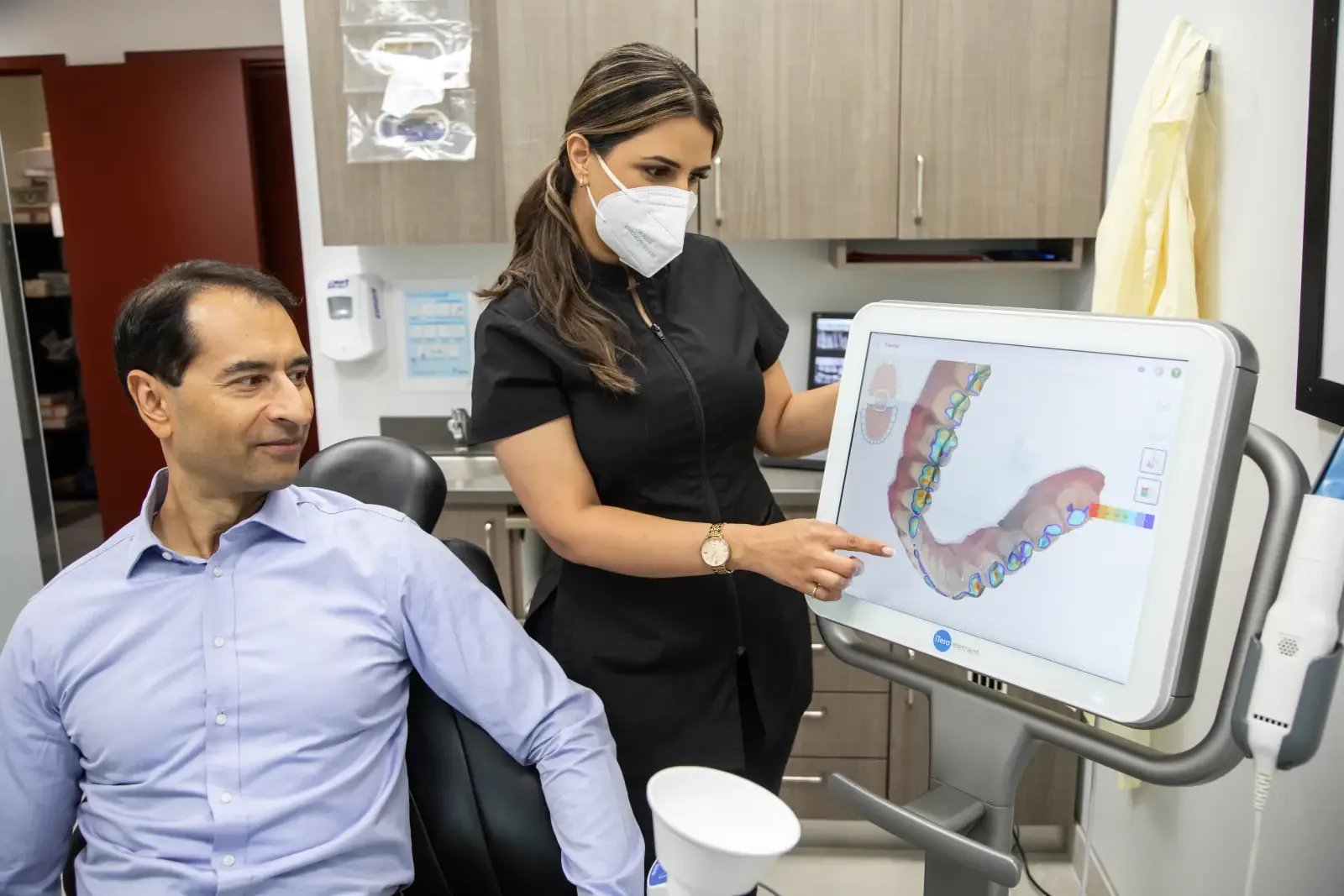
Professional dental cleanings remove plaque and tartar that brushing and flossing can miss, helping reduce the risk of cavities and gum disease. This article explains typical recall intervals and the factors that change them.
These are general guidelines for patient education, not a diagnosis. Your recommended schedule, procedures and fees depend on an individual clinical assessment with your dental team.
Why regular cleanings matter
Home care is essential, but plaque can harden into tartar that only a dental professional can remove. Routine cleanings help control bacteria, lower inflammation and give your dentist a chance to spot decay or other concerns early.
Keeping a consistent cleaning schedule supports long-term oral health and can reduce the need for more complex treatment later on.
- Remove plaque and tartar buildup
- Lower risk of gum disease progression
- Spot early signs of decay, cracks or wear
- Maintain fresh breath and a clean feeling
Common timing: the six‑month guideline and why it varies
A six‑month cleaning is a common starting point because it works well for many people with low risk of gum disease or decay. However, it’s not universal — some people need care more or less often.
Your dentist or hygienist will recommend intervals based on your oral health, medical conditions and personal risk factors.
- Low risk: often every six to twelve months
- Higher risk: may need visits every three to four months
- Periodontal maintenance: schedule based on disease severity and response to therapy
What happens during a dental cleaning
A typical appointment includes an oral exam, scaling to remove tartar above and below the gumline, polishing, flossing and discussion of home care. Additional steps such as fluoride, sealants or X‑rays are used when appropriate.
If gum disease is present, your dentist may recommend periodontal deep cleaning (scaling and root planing) or a tailored maintenance plan. Local anaesthetic and comfort options can be offered for longer or deeper procedures.
- Oral exam and review of medical/dental history
- Scaling and removal of tartar deposits
- Polishing and flossing; possible fluoride or sealants
- X‑rays or 3D scanning when clinically indicated
Who may need more frequent care and how to plan follow‑up
Certain conditions raise the risk for gum disease or decay and often require more frequent cleanings and monitoring. Your dental team will tailor a schedule to your needs and track changes over time.
If you have urgent symptoms such as severe pain, swelling, trouble breathing, uncontrolled bleeding or serious facial trauma, seek emergency care or call 911.
- History of periodontal (gum) disease
- Diabetes or other conditions affecting healing
- Smokers or tobacco users
- Dry mouth (xerostomia) or frequent cavities
- Recent implant placement, complex restorations or orthodontics
Good to Know
Questions About This Topic
Can I clean away tartar at home to avoid professional cleanings?
Tartar (hardened plaque) bonds to tooth surfaces and below the gumline; it cannot be safely removed at home. Professional scaling during a cleaning removes tartar and reduces inflammation. Regular home care between visits remains important.
Will a dental cleaning be painful?
Many people experience little or no discomfort during a routine cleaning. If gums are inflamed or you need deeper periodontal care, local anaesthetic and comfort options such as nitrous oxide or oral sedation may be available after a clinical assessment.
How is a deep or periodontal cleaning different from a regular cleaning?
A periodontal deep cleaning (scaling and root planing) reaches below the gumline to remove bacteria and smooth root surfaces. It is typically done over one or more appointments and may require local anaesthetic. Your dentist will explain the recommended approach based on your exam.
Regular professional cleanings are a key part of maintaining oral health, but the right interval varies by person. This article is for general education and not a diagnosis—your dentist will suggest a schedule and any necessary treatments after an individual assessment.
If you are in Midtown Toronto or the Davisville/Eglinton area and would like an assessment, contact Belman Dental Centre at 1881 Yonge St., Suite 403, Toronto, Ontario M4S 3C4 or call 1-416-486-1136. Dr. Noah Belman and the team use digital X‑rays and the iTero Element 3D scanner to support care planning.
Educational note: This article provides general information and is not a diagnosis or a substitute for care from a dental professional who has examined you.