
The short, correct answer is this: you cannot safely cure gum disease without a dentist. While brushing, flossing and other home measures are essential for gum health, they cannot replace a professional assessment and the treatments dentists provide for established periodontal disease.
This article explains what home care can realistically do, red flags that need professional attention, and what to expect from a dental evaluation. Information here is general education and not a diagnosis; recommendations, timelines and fees depend on an individual clinical assessment.
Why the premise is incorrect: limits of home care
Gum disease (gingivitis and periodontitis) begins with plaque and inflammation. Good oral hygiene can reverse mild gingivitis, but once infection has entered the pockets around teeth and affected supporting bone or connective tissue, professional treatment is required to control it.
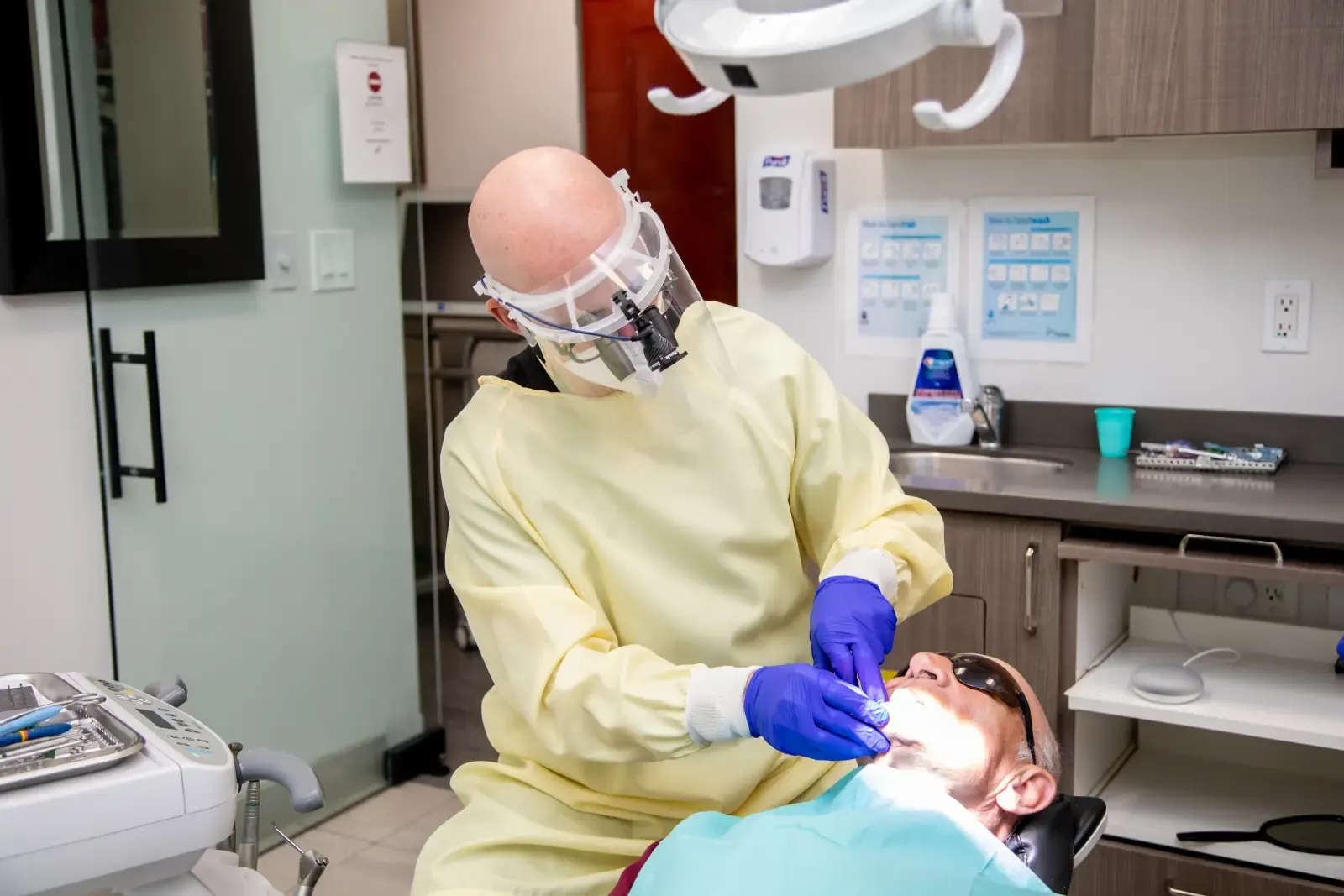
Only a dentist or dental hygienist can measure pocket depths, take appropriate X‑rays, remove hardened deposits below the gumline and create a tailored treatment plan. Leaving moderate or advanced disease untreated raises the risk of loosening teeth and other complications.
- Home care reduces bacteria on exposed surfaces but cannot remove tartar below the gumline.
- Pocket depth measurement and X‑rays are needed to stage disease and guide therapy.
- Clinical follow‑up ensures the infection is responding and prevents progression.
Helpful daily steps you can take at home
Daily oral hygiene is the foundation of periodontal health and complements professional care. These measures help control plaque and lower the bacterial load between visits.
Consistent home habits are most effective when paired with regular dental assessments; they support treatment but do not replace it.
- Brush twice daily with a soft toothbrush and fluoride toothpaste, using gentle, thorough strokes.
- Clean between teeth once daily with floss, interdental brushes or other aids recommended by your dental team.
- Avoid tobacco and minimise sugary snacks and drinks, which worsen gum inflammation.
- Use an antimicrobial mouthrinse if advised by your dentist or hygienist.
When to see a dentist or seek urgent care
See a dentist promptly if you have persistent bleeding gums, increasing pocket depths, receding gums, loose teeth, pus around teeth or persistent bad breath—these are signs that professional periodontal assessment and treatment are needed.
Seek emergency help right away for serious problems such as difficulty breathing, uncontrolled bleeding or major facial trauma—call 911 or go to your nearest emergency department.
- Early appointment for mild bleeding or soreness can prevent progression.
- Rapidly worsening pain, swelling or pus requires urgent dental follow‑up.
- If you have a weakened immune system, contact your dental team sooner; infections can progress faster.
What professional treatment and follow‑up commonly involve
A clinical exam often includes a periodontal chart (pocket measurements), digital X‑rays and a discussion of medical history. At Belman Dental Centre we use digital X‑rays and an iTero Element 3D scanner as part of our records and treatment planning, and offer periodontal deep cleaning and periodontal therapy when indicated.
Treatment may start with scaling and root planing (deep cleaning), followed by maintenance visits and, if necessary, referral for specialised periodontal care. Sedation options such as nitrous oxide or oral sedation are available for anxious patients. Individual recommendations, timelines and fees depend on your clinical assessment.
- Scaling and root planing removes hardened deposits below the gumline.
- Regular periodontal maintenance appointments help prevent recurrence.
- Surgical or regenerative procedures are sometimes required and are determined case‑by‑case.
Good to Know
Questions About This Topic
Can gum disease go away on its own without seeing a dentist?
Mild gingivitis caused by surface plaque can often improve with diligent home care, but true periodontal disease that affects the pockets or bone will not reliably resolve without professional treatment. This information is general education and not a diagnosis.
What over‑the‑counter products help gum health?
Plaque‑removing tools (toothpaste, floss, interdental brushes) and some antimicrobial mouthrinses can reduce bacteria and inflammation. Use products recommended by your dental team; they support care but do not replace a clinical evaluation when disease is suspected.
How often should I have my gums checked if I've had periodontal disease?
Follow‑up intervals depend on disease severity and response to treatment. Many patients need periodontal maintenance every three to four months, while others require different schedules. Your dentist will set the follow‑up plan after a clinical assessment.
Gum disease cannot be safely cured without a dentist: home care helps prevent and manage early problems, but professional diagnosis, cleaning below the gumline and monitored follow‑up are central to stopping progression. This page is educational and not a substitute for an examination.
If you live in Davisville, Eglinton or Midtown Toronto and have concerns about bleeding, loose teeth or chronic gum inflammation, contact Belman Dental Centre at 1881 Yonge St., Suite 403, Toronto, Ontario M4S 3C4 or call 1-416-486-1136 to arrange an assessment. Individual recommendations, timelines and fees depend on your clinical needs.
Educational note: This article provides general information and is not a diagnosis or a substitute for care from a dental professional who has examined you.