
Many people want a brighter smile, and there are several safe ways to reduce staining and lighten tooth colour. Options range from professional in‑office treatments to supervised take‑home kits and over‑the‑counter products, plus simple habits that help prevent new stains.
This article explains common causes of tooth discolouration, how different whitening methods work and important safety considerations. Recommendations, timelines and fees depend on an individual clinical assessment — a dentist should confirm whether whitening is suitable for you.
Why teeth become stained
Tooth discolouration often falls into two categories. Extrinsic stains affect the outer enamel and usually result from foods, drinks or tobacco. Intrinsic stains form inside the tooth and can be caused by ageing, certain medications, trauma or previous dental work.
Understanding the cause helps your dentist choose an appropriate approach. Note that restorations such as crowns, veneers and fillings do not lighten with bleaching and may need separate attention.
- Common extrinsic culprits: coffee, tea, red wine, soy sauce and tobacco
- Intrinsic factors: older age, certain antibiotics taken as a child, dental trauma
- Restorations (crowns, veneers, composite fillings) will not change shade with whitening
Professional whitening: in‑office and take‑home options
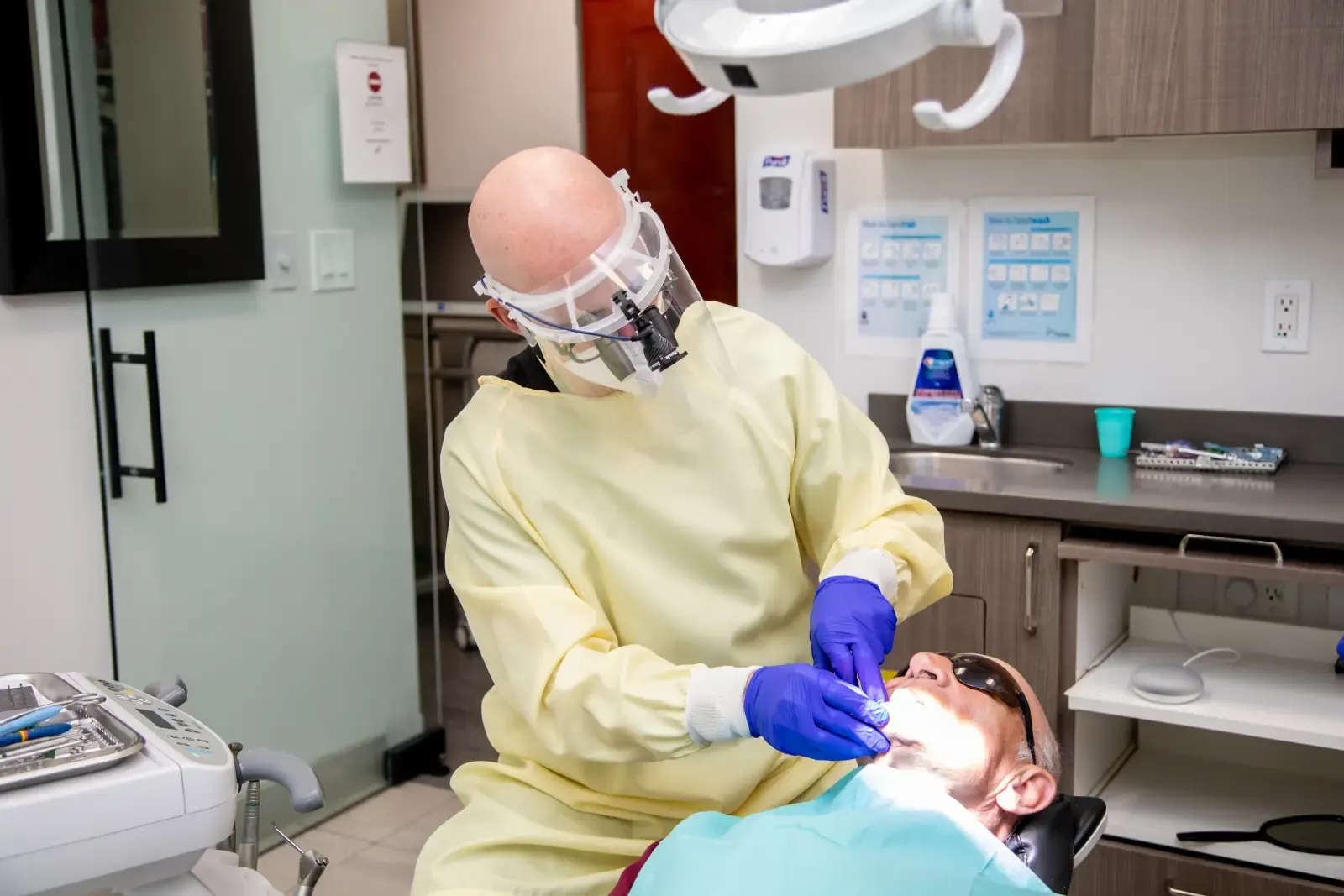
Professional whitening uses peroxide-based gels at concentrations and application methods supervised by a dentist. In‑office treatments can produce noticeable results in a single visit, while professionally dispensed take‑home kits use custom trays for gradual, controlled whitening.
Belman Dental Centre offers both in‑office and take‑home whitening as part of its cosmetic services. A comprehensive assessment — which may include a clinical exam and digital records — determines the most appropriate protocol for your teeth and smile goals.
- In‑office: faster, dentist‑supervised, may require shorter course of treatment
- Take‑home (professional): custom trays, gradual results, easier to control sensitivity
- Benefits of professional care: tailored strength, monitoring and shade selection by your dentist
Over‑the‑counter products and daily habits
Over‑the‑counter options include whitening toothpastes, strips and rinses. Some provide modest improvement for surface stains, but results are generally less predictable than professional approaches. Avoid overly abrasive products that can damage enamel.
Everyday habits make a big difference in how long whitening lasts. Regular professional cleanings, limiting stain‑causing foods and drinks, drinking through a straw for dark beverages and quitting tobacco all help maintain a brighter smile.
- Whitening toothpastes and rinses can help with surface stains but often take longer to show results
- Overuse of abrasive products can increase sensitivity or wear enamel
- Professional polishing during a hygiene visit removes surface stains that at‑home methods can’t reach
Safety, sensitivity and realistic expectations
Some people experience temporary tooth sensitivity or mild gum irritation with whitening. These effects usually subside; options to reduce sensitivity include lower concentration gels, shorter application times and desensitizing toothpaste. If you develop severe pain, swelling or an allergic reaction, stop treatment and contact your dentist; if you have difficulty breathing or uncontrolled bleeding, call 911 or go to an emergency department.
Whitening will not alter the colour of existing crowns, veneers or fillings, so discuss how restorations affect your overall result. Final recommendations, timing and fees depend on an individual clinical assessment.
- Common side effects: temporary sensitivity and mild gum irritation
- Restorations do not whiten — replacement or matching may be necessary for a uniform result
- Always follow product instructions or your dentist’s directions to reduce risk
Good to Know
Questions About This Topic
Is teeth whitening safe?
When performed under a dentist’s supervision and after an exam, whitening is generally safe for most people. Temporary sensitivity or mild gum irritation can occur. Your dentist will review your oral health and any restorations before recommending a treatment plan.
How long do whitening results last?
Duration varies by individual and depends on diet, tobacco use and oral hygiene. Results can last months to a few years; periodic touch‑ups or maintenance products may help. A dental assessment will clarify realistic expectations for your situation.
Can I whiten crowns, veneers or fillings?
No — existing dental restorations do not respond to bleaching. If your teeth are whitened, restorations may need replacement or shade adjustment to match the new tooth colour. Discuss restoration planning with your dentist before starting whitening.
Whitening can be a safe and effective way to brighten your smile when chosen and supervised appropriately. Talk with your dentist about the cause of your discolouration, whether whitening is suitable and which option best fits your needs and schedule.
If you would like a personalised assessment, contact Belman Dental Centre at 1881 Yonge St., Suite 403, Toronto, Ontario M4S 3C4. We serve Davisville, Eglinton and Midtown Toronto — phone 1-416-486-1136 to arrange an appointment when appropriate.
Educational note: This article provides general information and is not a diagnosis or a substitute for care from a dental professional who has examined you.